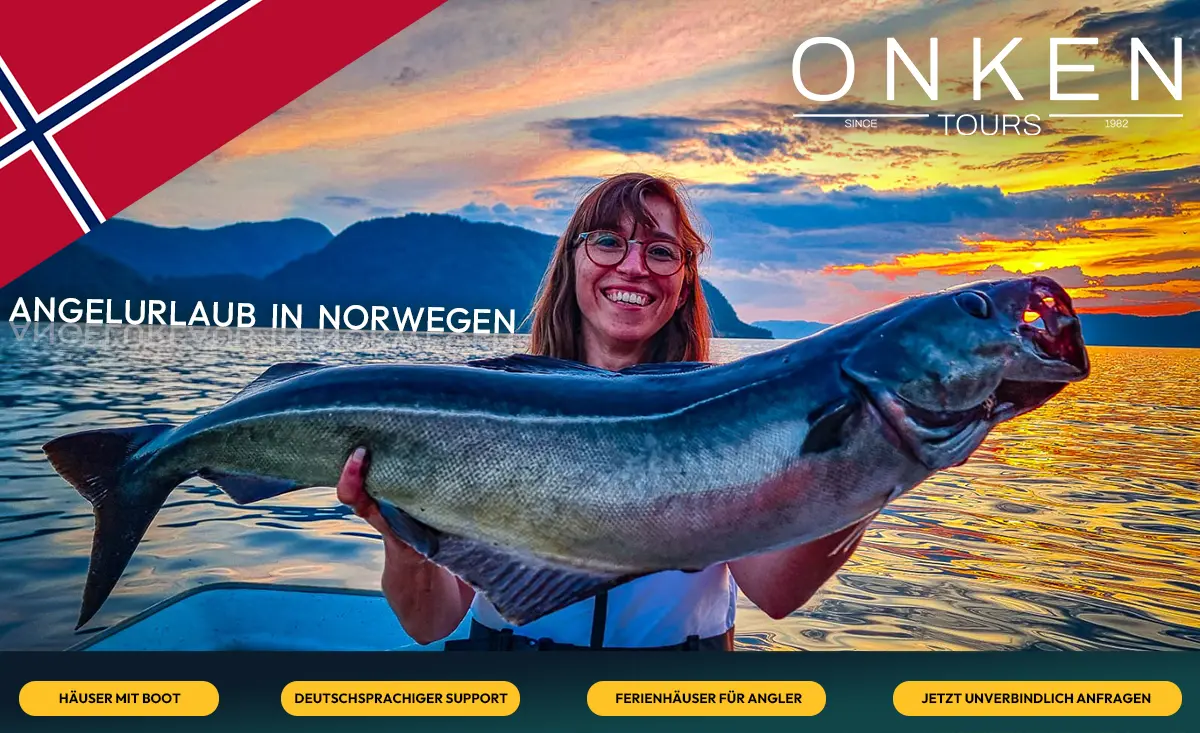
In Germany, whenever people talk about fishing holidays in Norway, the same names almost always come up: Lofoten, skrei, Northern Norway. Giant cod, tough conditions, long journeys – and, of course, spectacular photos.
We love these stories just as much as you do. But we think they often reduce Norway to just one small part of what it offers. If you only think of Lofoten and skrei, you miss out on many fishing grounds that actually suit most anglers much better – more relaxed, more family-friendly and far easier to fit around everyday life.
In this article, we want to show you how we see Norway as a fishing destination, where we focus our trips and why **fishing holidays in Norway** mean much more to us than ‘skrei in a storm’.
More about fishing holidays in Norway
Fishing Holidays in Norway – Why It Pays to Look Beyond Lofoten
One thing comes up time and again when we talk to guests:
Many wonder whether Norway might be ‘too much’ for them. They picture:
- extremely long journeys
- very deep water just off the coast
- challenging sea conditions
- winter skrei trips in bad weather
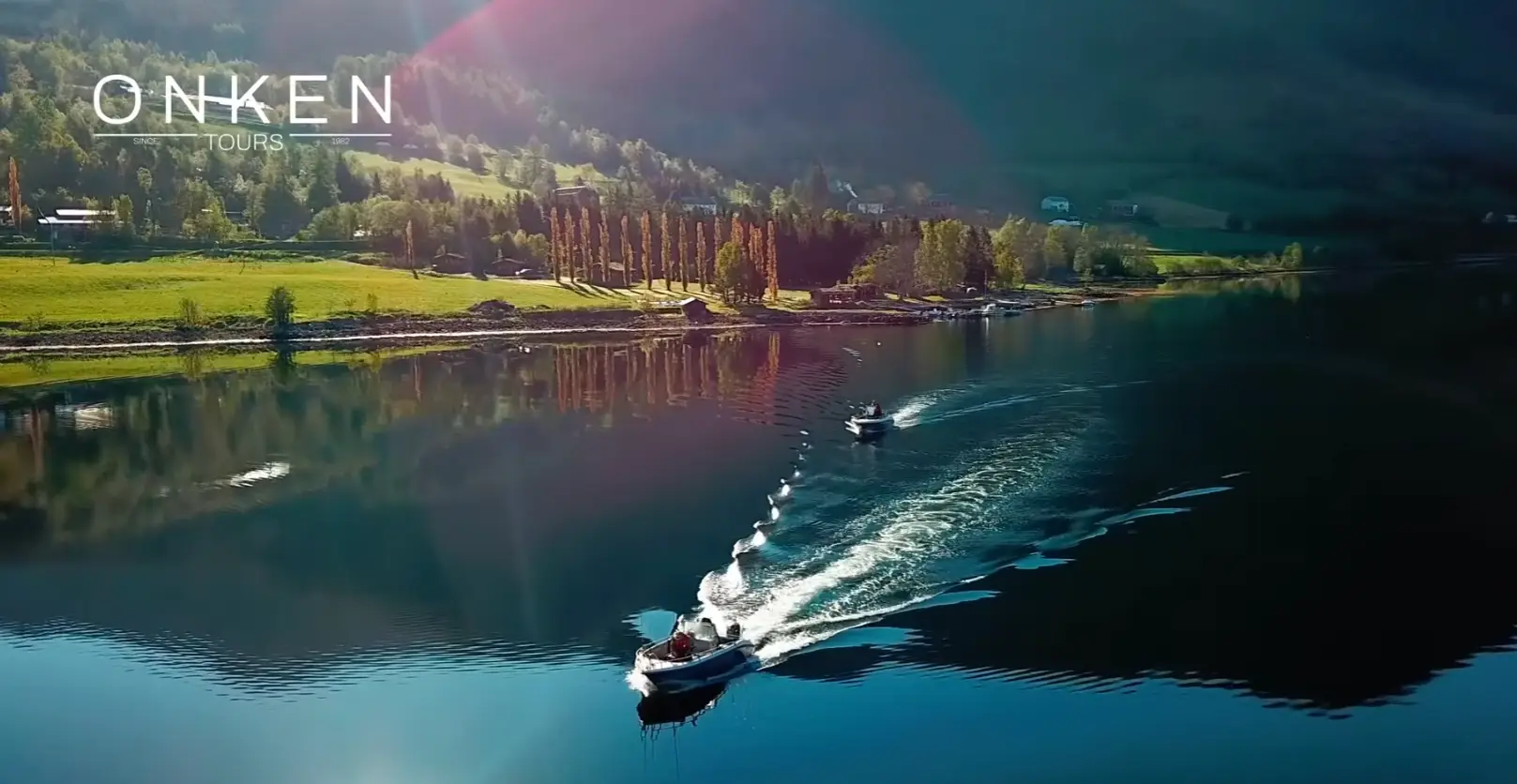
All of that exists – no question. But a large proportion of fishing holidays in Norway take place on sheltered fjords in Western and Central Norway. Places where:
- you can start in the fjord and only venture out to sea later
- you can find boats that are manageable for beginners and families too
- the season is longer and much more predictable than on dedicated winter skrei trips
We see Norway more as a versatile toolbox: Lofoten and skrei are specialist tools – exciting, but not for everyday use. For a ‘normal’ fishing holiday, quieter regions work much better.
Western and Central Norway: Great Fishing Without the Extremes
Our own fishing holidays deliberately focus on regions such as the Romsdalsfjord and parts of Western Norway. We chose them because they bring together several things that really matter to our guests:
- sheltered boat routes: start in the protected waters of the fjord and only head further out when conditions allow
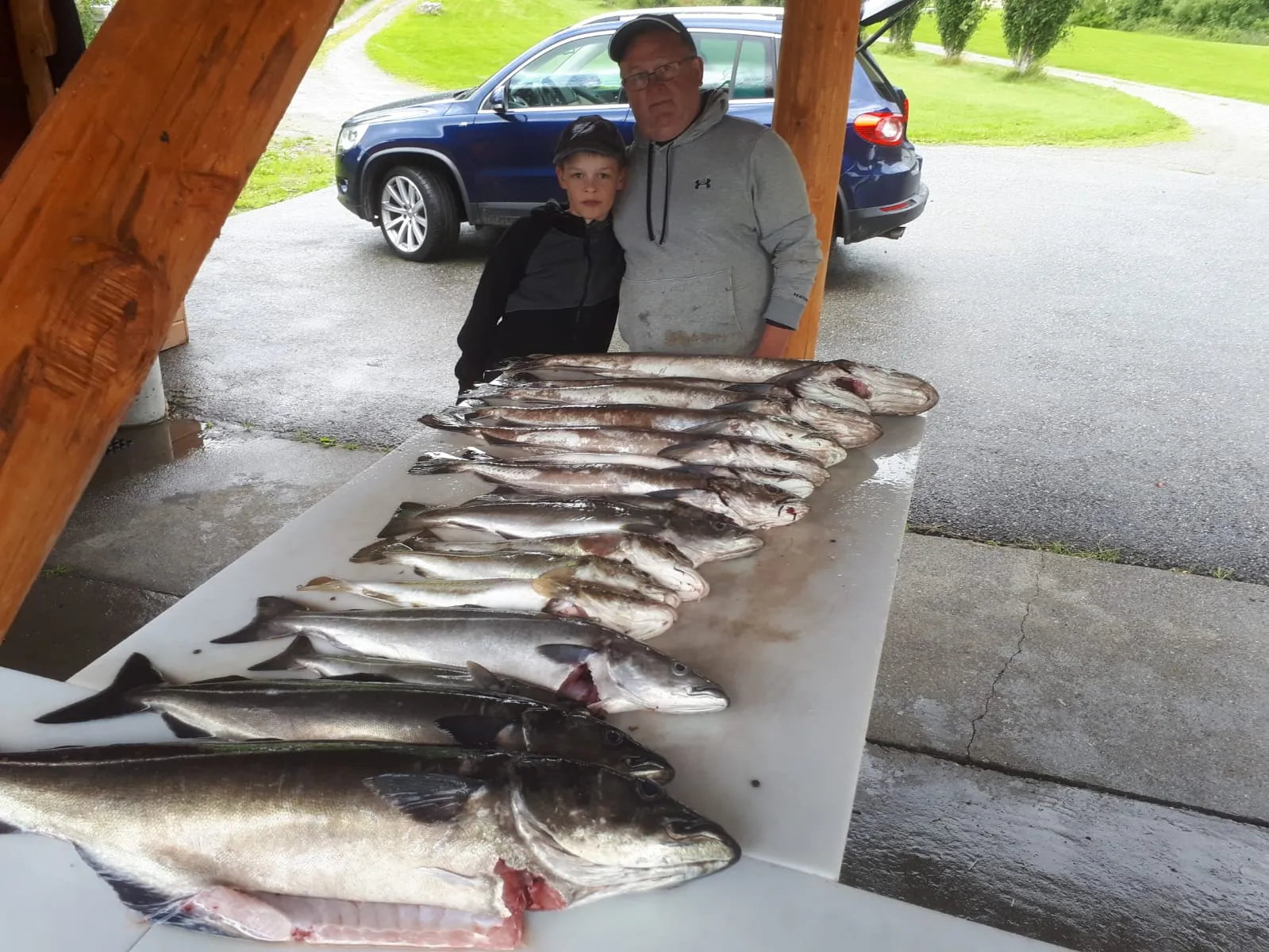
- a wide variety of fish: cod, coalfish, pollack, ling, tusk – and, with a little luck, halibut too
- good infrastructure: roads, shops, doctors and ferry connections
- manageable journey times: depending on your route, more time on holiday and less on the motorway
We believe:
For most anglers, a well-planned fishing holiday in Norway with good catch prospects, manageable risks and comfortable accommodation is worth more than a single ‘all-or-nothing adventure’ in force 8 winds.
Families, Beginners and Mixed Groups – Norway Fits Around You
One point gets overlooked in many reports:
Not everyone travels with a group of die-hard anglers. Many of our guests are:
- parents with children who enjoy fishing
- couples where one person is keen on fishing and the other prefers nature and days out
- friends combining fishing with a road trip, hiking or sightseeing
For these groups, focusing solely on skrei and extreme fishing grounds is rarely the best solution. In practice, we find that:
- Safety comes first.
- Flexible fishing times matter – not everyone wants to spend 8 hours drift fishing.
- Alternative activities for bad-weather days, such as outings, town visits and walks, make the holiday more relaxed.
This is exactly where regions such as the Romsdalsfjord and many other fjords in Western and Central Norway come into their own. You can catch mackerel and coalfish with the children in the fjord in the morning, fit in a short trip out to sea in the afternoon – and perhaps take the next day off fishing altogether to do something else.
For us, that is the real strength of fishing holidays in Norway:
They fit around our guests’ lives – not the other way round.
Skrei & Lofoten: Impressive – But Not the Only Benchmark
We are not here to talk down Lofoten or skrei. Quite the opposite:
If you know exactly what to expect, have good sea legs and deliberately choose the rougher season, you will find opportunities there that are hard to match elsewhere. Giant cod, dramatic coastal scenery and unforgettable light.
But we often find that these images create a misleading impression:
‘That’s the only proper way to go fishing in Norway – everything else is somehow a “light version”.’
Our experience tells a different story:
- Many guests have enjoyed their best-ever fishing holiday in regions that rarely feature in the major magazines.
- Often, these were the places where they caught the widest variety of species, made the best family memories and enjoyed the most relaxing evenings on the terrace.
- And those are precisely the memories that later make you say: ‘Norway – we’re going back.’
That is why we see Lofoten and skrei as an option, not a must.
More about fishing holidays in Norway
Our Advice for Guests Planning Their First Fishing Holiday in Norway
When someone asks us, ‘Where should we start?’, our first thought is not record catches, but the right balance of safety, catch prospects and a proper holiday feel.
Here is what we usually recommend:
- 1A fjord-side base with access to the sea
- 2Start in the sheltered fjord
- 3head out to the drop-offs and plateaus when the weather is settled
- 4Sturdy boats with enough engine power – without going overboard
- 5a well-equipped working boat is better than a high-speed boat nobody feels comfortable handling
- 6Accommodation that suits your group
- 7families have different comfort needs from an all-male fishing group
- 8Time your trip around your target species
- 9spring/autumn for cod & mixed catches
- 10summer for families, lighter fishing, mackerel, coalfish and pollack
- 11Think about plans B & C
- 12What happens if the wind picks up?
- 13Can you fish from the jetty instead?
- 14Could you spend a day simply enjoying your holiday without the rods?
That is how you create fishing holidays you will remember fondly – even if you do not land the biggest fish of your life.
How We Plan Our Fishing Holidays in Norway – A Personal Perspective
We do not simply sit in front of a map marking ‘hotspots’. For every property, we ask ourselves:
- Will beginners find their feet here?
- Is the accommodation suitable for anglers visiting Norway?
- Can children safely join you out on the water?
- Are the nearest fishing spots a short boat ride away?
- What filleting and freezer facilities are available?
- How easy is it to reach help in an emergency?
We take a very practical approach.
Perhaps that is a little less romantic than a pure adventure story, but it is much closer to what our guests actually need.
So when we say Norway is much more than Lofoten and skrei, we mean:
Norway is a country where you can shape your fishing holiday around the way you live – with family, with friends and with days when the rods stay in their holders.
Conclusion: Norway for Anglers – Finding the Right Region
If your idea of fishing holidays in Norway comes entirely from dramatic Lofoten videos, you are only seeing part of what the country offers anglers.
We see Norway as a destination with plenty of choice:
- sheltered fjords for beginners and families
- varied fishing grounds such as the Romsdalsfjord, with good fishing opportunities throughout the season
- and, of course, the well-known ‘big-fish regions’ – for anyone ready to take the next step after a few quieter trips.
Our approach is simple:
A well-planned, safe and enjoyable holiday first – the record fish second.
If you would like to experience Norway beyond the usual Lofoten-and-skrei formula, take a look at our overview of fishing holidays in Norway and get in touch if you have any questions. We are always happy to share our experience – not just from a brochure, but straight from the fjord.
Next article
Why Norway – and Especially the Romsdalsfjord – Is an Angler’s Paradise
Want to experience it yourself?
Verified fishing cabins with boat at the Romsdalsfjord – personally looked after by Lars & Christin Duziack.